Windows are one of the most overlooked systems during a home purchase, but they dramatically affect energy efficiency, moisture control, and comfort.
Why Window Problems Matter
Failed windows can lead to:
-
Drafts
-
Moisture damage
-
Rot
-
Mold
-
Higher energy bills
Common Window Issues I Find
1. Failed Thermal Seals
This happens when the seal between the panes fails, allowing moisture inside the glass. You’ll see fogging, cloudiness, or condensation.
2. Rotting or Warped Frames
Wood windows, in particular, are prone to rot—especially if gutters overflow or siding channels water toward them.
3. Improper Installation
A window may look good on the surface but still:
-
Leak water
-
Allow air infiltration
-
Shift in the frame over time
4. Missing or Cracked Caulking
This leads to drafts and moisture penetration.
How Buyers Can Protect Themselves
-
Look for fogging between panes
-
Inspect the window sills for softness or discoloration
-
Note any difficulty opening/closing windows
-
Check for peeling paint or water staining around the frame
Lead Paint in Windows: What You Need to Be Aware Of
Windows are one of the highest-risk areas for lead paint exposure in older homes—especially any home built before 1978. Even if the rest of the house looks well-maintained, the windows often tell the real story.
Here’s what every homeowner or homebuyer should know:
1. Windows Are the #1 Source of Lead Dust
Even if the paint on the walls is intact, windows create lead dust every time they are:
-
Opened
-
Closed
-
Slid up or down
-
Vibrated by traffic or wind
The friction between painted surfaces grinds old paint into invisible dust, which then settles on:
-
Sills
-
Floors
-
Window tracks
-
Nearby furniture
This dust is the main route of lead exposure for children.
2. Look for Signs of Lead Paint Failure
These are red flags during an inspection:
-
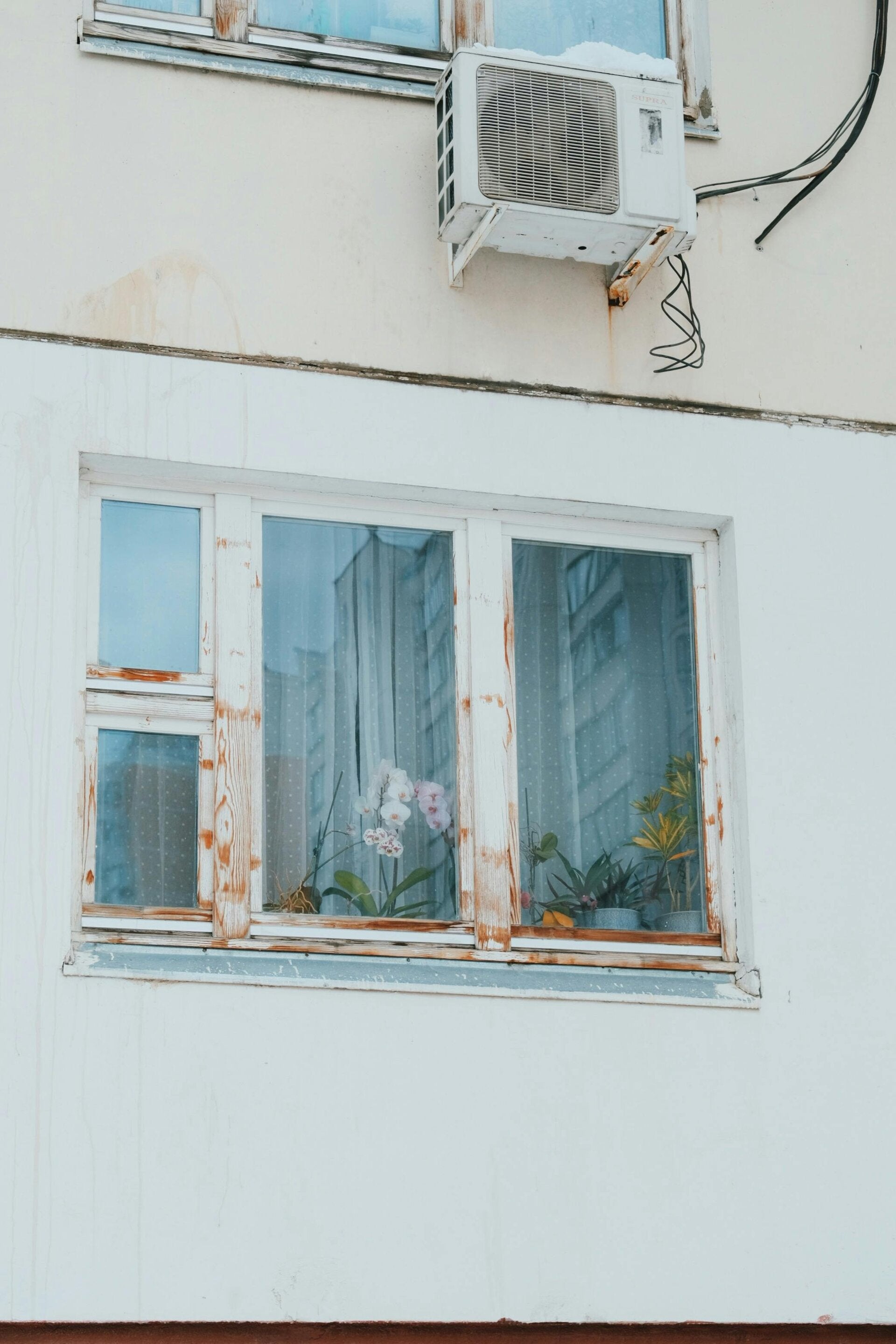
Chipping, peeling, or flaking paint on sashes or frames
-
Heavy dust accumulation in window tracks
-
Sticking or painted-shut windows
-
Cracks in putty or glazing
-
Bare wood areas where the paint has completely worn off
Even a small amount of chipped paint can release far more dust than people expect.
3. Lead Paint on Window Sashes Is Often Layered
Older homes typically have multiple layers of lead paint. You may see:
-
Different colored layers under the top coat
-
Thick, uneven buildup around edges
-
Alligator or “crocodile skin” cracking
This indicates old, brittle paint that releases dust easily.
4. Lead Dust Can Spread Throughout the Home
Windows act like a lead-dust “factory.” When the HVAC runs or a breeze blows, dust can travel to:
-
Floors
-
Carpets
-
Air return vents
-
Kids’ play areas
This is why windows are the first thing inspectors focus on during lead assessments.
5. Repainting Alone Does NOT Fix Lead Problems
Homeowners often paint over old lead paint, but that only provides a temporary seal.
New paint doesn’t stop the friction.
If the window still rubs or sticks, dust will continue to be generated no matter how new the topcoat is.
Safe long-term solutions include:
-
Full window replacement
-
Lead-safe renovation practices by certified contractors
-
Encapsulation using approved coatings (not regular paint)
6. Cleaning Matters — But Must Be Done Correctly
Regular household cleaning spreads dust around. To remove lead dust safely:
-
Use wet wipes, not dry dusting
-
Clean window troughs regularly
-
Mop with TSP or lead-specific cleaning solutions
-
Vacuum with a HEPA-filter vacuum only
Any other method usually spreads dust.
7. When to Get a Professional Lead Test
You should strongly consider testing if:
-
The home is built before 1978
-
You see ANY peeling paint on windows
-
You have children under 6 living in or visiting the home
-
You’re planning renovations that involve window replacement
A lead risk assessor can test dust, paint chips, or surfaces and provide a clear risk profile.
8. For Homebuyers: Budget for Replacement
If you’re buying an older home, especially anything built between 1900–1960:
-
Assume the windows are lead unless proven otherwise
-
Older wood windows are almost always original
-
Full replacement often costs $8,000–$20,000 depending on home size
-
But replacing them eliminates the highest-risk lead source
Many buyers negotiate this during due diligence.
Quick Summary (Social Media Ready)
Lead paint in windows = lead dust risk.
Because windows move and rub, they create dust even when the paint looks “OK.”
Watch for chipping paint, sticking windows, and thick paint layers.
Cleaning must be done with HEPA methods.
Replacement is often the safest long-term fix.
#CincinnatiHomeInspector #CincyRealEstate #CincinnatiLiving #CincinnatiHomeBuyers #CincyRealty #HomeInspection #HomeInspector #cincinnatihomeinspection #homeinspection #homeinspector #buyingahouse #thermalimaging #buyingahome #cincinnatirealtor #homebuying #cincinnatirealestate #cincinnatiohio
FOLLOW US click the link below
https://www.facebook.com/share/EfHkUx7mDVuFspMJ/?mibextid=qi2Omg
https://www.instagram.com/goodeyehomeinspections
https://www.bestcincinnatihomeinspector.com/about
Add comment
Comments