The Cincinnati Basement Guide: Why Stone Foundations Weep
If you’re buying a home in Cincinnati, you’ve probably heard the term “stone foundation” thrown around—and maybe even walked into a basement only to see moisture seeping through the walls. For many buyers, the sight of damp stone can trigger panic. But before you assume the worst, it’s important to understand why historic limestone foundations weep, and when that moisture is truly a problem.
As a home inspector with decades of experience in the Queen City, I’ve seen countless basements and can help buyers differentiate normal historic dampness from signs of active flooding. Understanding the difference can save you stress, unnecessary repairs, and even a deal that could be perfectly sound.
Why Stone Foundations Weep
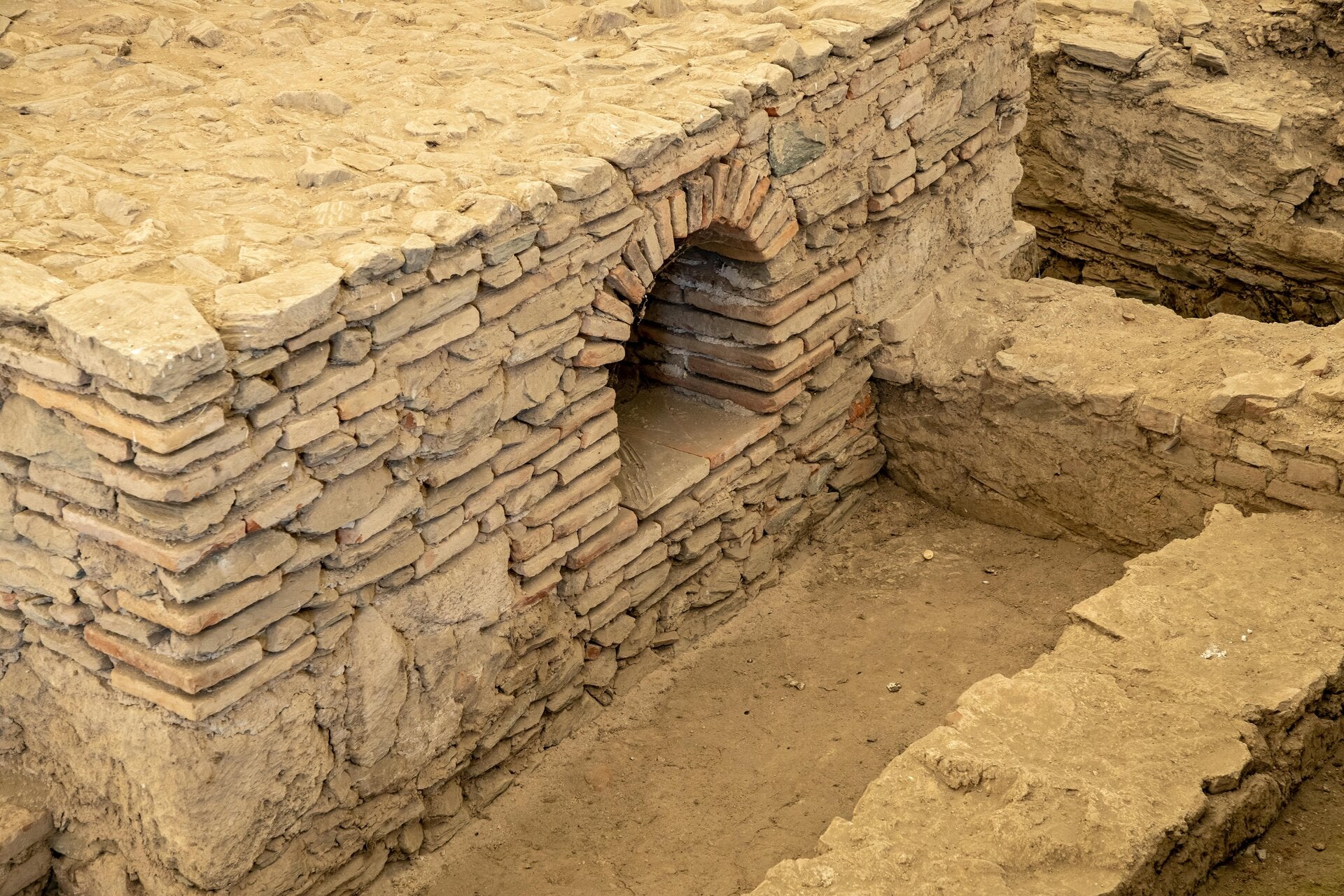
Cincinnati homes built in the late 1800s and early 1900s often feature limestone or other local stone foundations. These walls were constructed to last, but they weren’t waterproofed like modern concrete foundations. Instead, stone foundations were designed to “breathe.”
What does that mean? Essentially, moisture from the ground or humidity in the air can slowly migrate through the pores of the stone or mortar. This slow seepage is often called “weeping” and is typically seen as minor damp spots, efflorescence (a white powdery deposit), or slight discoloration on the walls.
This is not necessarily a structural concern. Historic stone foundations have survived Cincinnati’s wet winters and humid summers for more than a century precisely because they were built to manage slow moisture movement.
Normal Dampness vs. Active Flooding
The key for buyers is knowing the difference between expected historic dampness and conditions that require immediate attention:
Normal Historic Dampness
-
Appears as small, occasional damp patches or white powdery deposits on the stone.
-
Usually limited to lower areas of the wall and doesn’t spread rapidly.
-
Occurs mainly after heavy rains but dries out gradually.
-
No standing water or musty odors persist over time.
-
Walls, floors, and basement contents remain mostly dry and intact.
Active Flooding
-
Involves continuous water intrusion, often forming puddles or flowing along the walls or floor.
-
May create mold, mildew, or a strong musty odor.
-
Can accelerate structural damage, such as mortar erosion, bowing walls, or wood rot.
-
Usually worsens during rainstorms or snowmelt, and does not dry out on its own.
Understanding these distinctions is crucial. Many buyers see minor weeping and assume the home is uninhabitable. In reality, normal historic dampness is often manageable, and knowing the difference can prevent unnecessary fear or costly renovations.
What Buyers Should Look For
During a home inspection in Cincinnati, I pay close attention to:
-
Moisture patterns: Are the damp spots sporadic or widespread?
-
Water stains or efflorescence: White mineral deposits usually indicate long-term but slow seepage.
-
Structural concerns: Any bowing walls, cracks, or mortar loss that could compromise stability.
-
Basement ventilation: Proper airflow helps stone foundations dry naturally, reducing long-term moisture issues.
-
Sump pumps and drainage: Active flooding may require functional pumps, French drains, or grading adjustments outside the home.
With these observations, I provide buyers a clear picture of whether a basement is a historic quirk or a real problem.
Managing Historic Dampness
If your inspection confirms normal historic dampness, there are simple ways to manage it without extensive renovation:
-
Improve ventilation: Use dehumidifiers or vents to reduce moisture buildup.
-
Maintain gutters and downspouts: Proper drainage prevents excessive water from pooling near the foundation.
-
Seal minor cracks carefully: Avoid waterproofing products that trap moisture inside the stone, as this can cause more damage over time.
-
Monitor humidity: Keeping the basement air below 60% relative humidity reduces mold growth.
These solutions respect the historic nature of stone foundations while protecting your home from long-term damage.
When to Call in Professionals
Active flooding, bowing walls, or persistent water intrusion requires attention from licensed contractors and drainage experts. While historic homes naturally have some moisture, continuous water issues can lead to structural failure, mold, and costly repairs if ignored.
As a seasoned home inspector in Cincinnati, I help buyers identify when a basement issue is manageable versus serious. This guidance is invaluable in historic neighborhoods where stone foundations are common, such as Hyde Park, Mt. Adams, Walnut Hills, and Columbia-Tusculum.
The Bottom Line
Stone foundations in Cincinnati are part of the city’s architectural heritage. They were built to last, designed to breathe, and often produce small signs of dampness. Understanding the difference between normal historic weeping and active flooding is essential for buyers to make informed decisions.
With proper inspection, management, and occasional maintenance, these basements can remain dry, safe, and fully functional for decades. Panic isn’t necessary—knowledge and professional guidance are your best tools.
Historic homes come with charm, character, and a story to tell. Their basements may weep a little, but with the right understanding, buyers can step into their Queen City dream home with confidence, knowing exactly what to expect below ground.
#CincinnatiHomeInspector #CincyRealEstate #CincinnatiLiving #CincinnatiHomeBuyers #CincyRealty #HomeInspection #HomeInspector #cincinnatihomeinspection #homeinspection #homeinspector #buyingahouse #thermalimaging #buyingahome #cincinnatirealtor #homebuying #cincinnatirealestate #cincinnatiohio
FOLLOW US click the link below
https://www.facebook.com/share/EfHkUx7mDVuFspMJ/?mibextid=qi2Omg
https://www.instagram.com/goodeyehomeinspections
https://www.bestcincinnatihomeinspector.com/about
Add comment
Comments